The board and its tradition
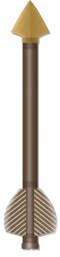
Leela, also spelled Lila, belongs to a family of Indian spiritual board games that includes Gyan Chaupar and Moksha Patam. Snakes and Ladders came from this family. Historical boards vary in their layout and teaching. Leela Guide uses a board of 72 squares, connected by ten snakes and ten arrows.
Jain, Hindu and Muslim players each had their own versions. The squares carry the names of virtues, vices and states of mind, and the top of the board stands for liberation, moksha. Some Hindu boards have 72 squares, nine across and eight up, and many make Vaikuntha, Vishnu’s heaven, the winning square. On Leela’s board it is square 68.
The game reached England in the 1890s and was sold there as Snakes and Ladders. The earliest known English edition was registered in 1892. In the United States it became Chutes and Ladders in 1943.
The board on Leela Guide follows Harish Johari’s book Leela: The Game of Self-Knowledge, first published in 1975 and later as The Yoga of Snakes and Arrows.
 727170696867666564555657585960616263

 545352515049484746373839404142434445363534333231302928192021222324252627181716151413121110123456789
Historical context: an Indian spiritual board in the Ashmolean collection
Explore the 72 squaresPlaying with an AI guide

Leela Guide is an online adaptation. Choose one of its AI guide characters, each the spirit of a square on the board. They explain squares and offer different ways to discuss the question you bring.
Meet the guides03
What the symbols mean
Within the game’s symbolism, arrows represent qualities that help a player move upward, while snakes represent difficulties and recurring patterns. You can use those images to consider your own choices. The roll itself is random.
About the square explanations
Leela Guide is a free, non-commercial project, developed and maintained as a hobby.
The square explanations offer interpretations of Leela’s symbols and questions for reflection. Names and meanings vary between editions of the game.
Found a mistake or have a suggestion? Write to ask@leela.guide.
Reference: Harish Johari, The Yoga of Snakes and Arrows